A Deep Dive into Brann's Supporter Culture
When talking about football in Bergen, it is impossible not to mention the passionate supporter culture of SK Brann. With roots deeply planted in the city's history, Brann fans have developed a unique identity that is both colorful and varied. From the early mornings of preparations on match day to the intense atmosphere at Stadion, there is much that makes this supporter culture special.
Traditions That Bind Fans Together
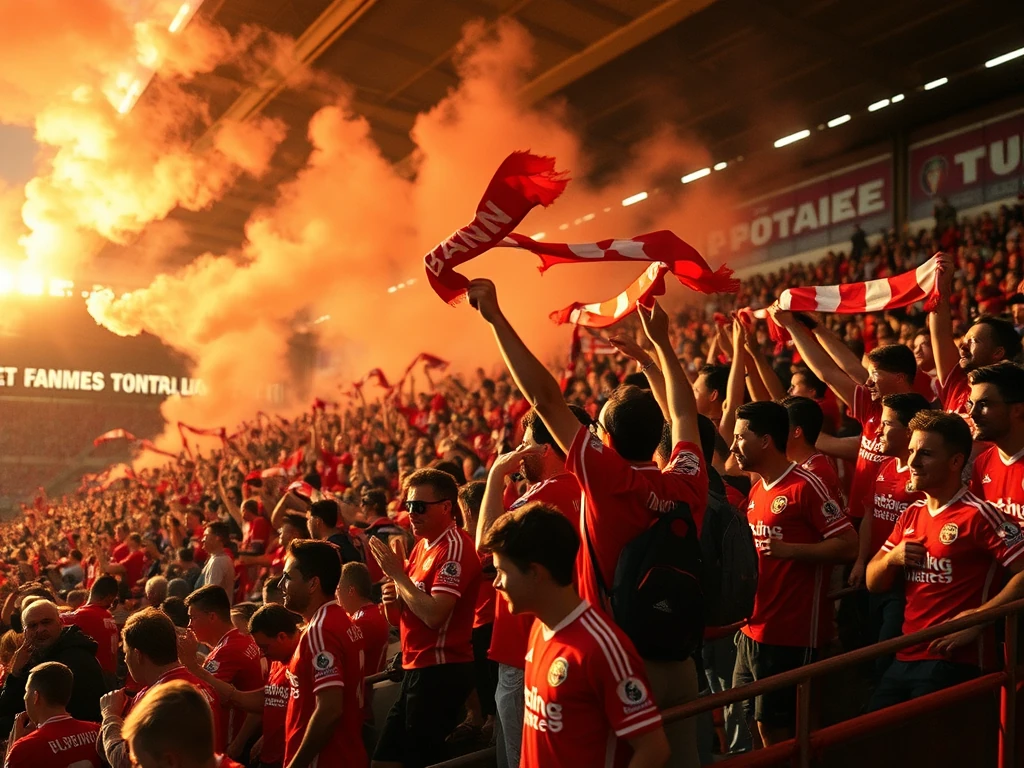
One of the most remarkable traditions among Brann supporters is the use of tifos. These impressive visual displays, often covering entire stands, not only shows the club's pride but also the creativity and commitment of the supporters. Each tifo has its own story, and for many, it is a way to express feelings and support for the team. It's not uncommon to see tifos that honor heroes from the past or comment on current events in the football world.
The Derby Atmosphere: Brann vs Stabæk
Nothing makes the heart race faster than a local derby against Stabæk. The atmosphere at Stadion during these matches is electric; it's as if the whole city comes together to support their team. Supporters sing from the first kick-off to the last whistle, and it’s an unforgettable experience to be part of this collective energy. Red and yellow, the club's colors, dominate the stadium, serving as a visible reminder of the rivalry that underpins these matches.
Stadium Rituals That Create Community
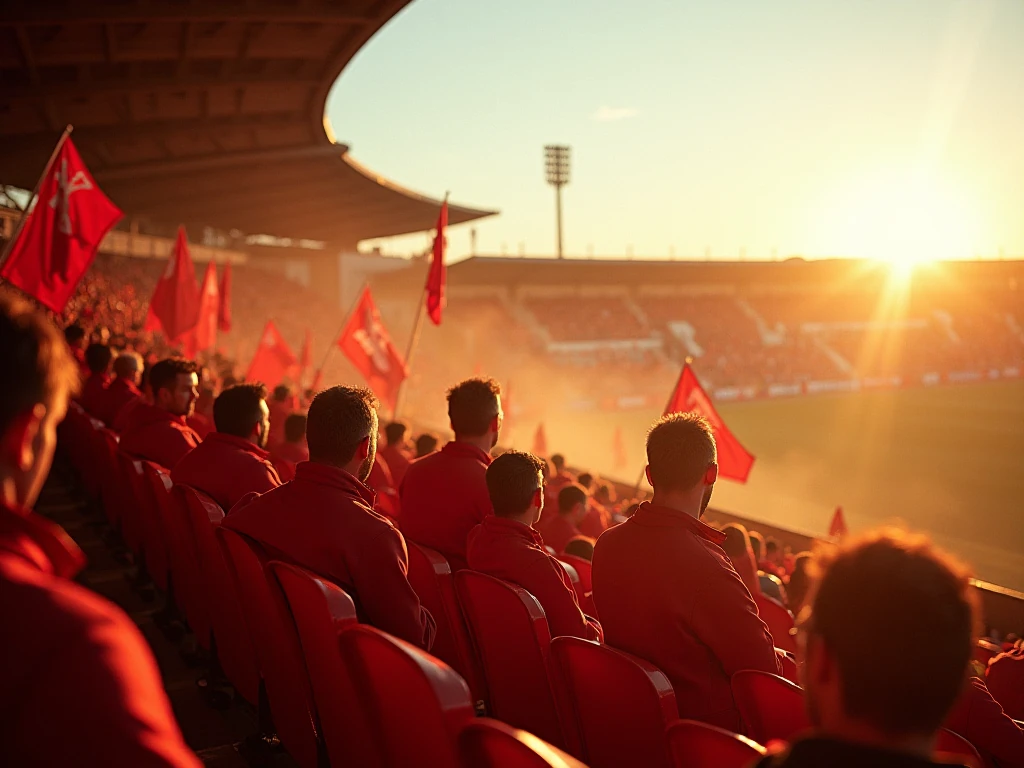
The rituals surrounding the games are just as important as the match itself. Many Brann supporters arrive at the stadium several hours before kick-off to participate in communal events, where they can socialize with friends and family. It’s a time to share stories, discuss tactics, and, above all, sing the club’s songs. "Brann is the best!" echoes through the streets, creating a sense of community that lasts long after the match is over.
A Cultural Heritage
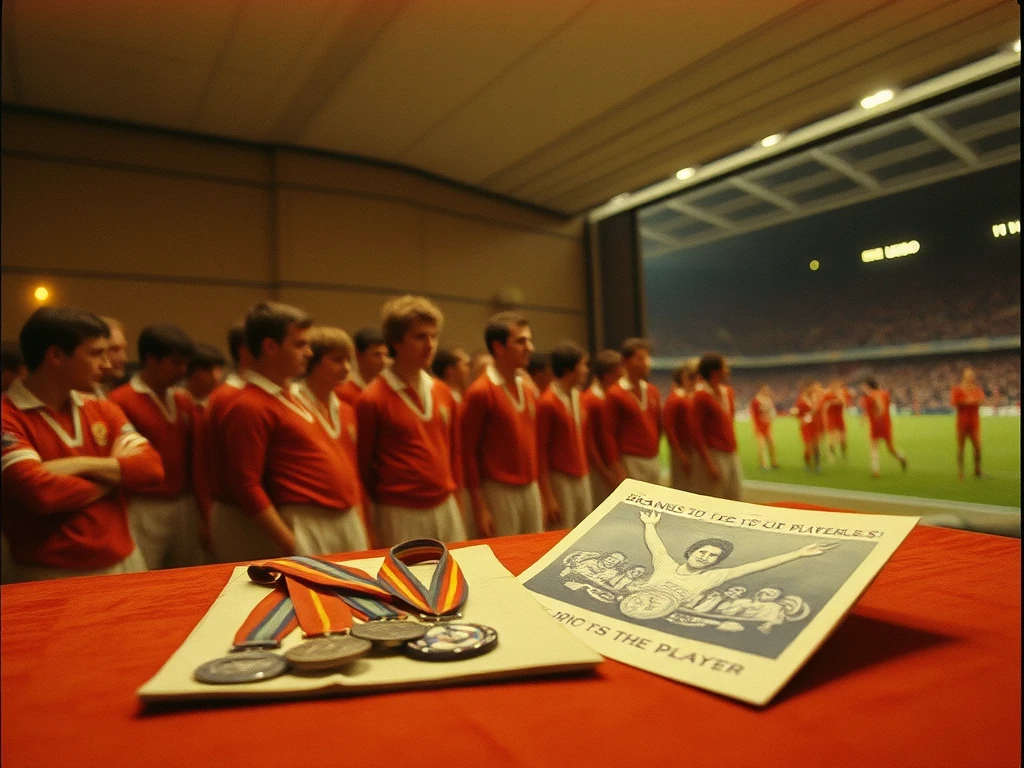
Brann's supporter traditions are not only part of the game; they are part of Bergen's cultural heritage. The oldest supporter groups, such as Brannsupporterne, have existed for decades and have helped shape the modern supporter experience. Through generations, they have passed down stories, songs, and rituals that connect today’s fans with the heroes of the past.
Conclusion
The supporter culture of SK Brann is a living sign of how much football can mean to a city and its people. Each match is more than just a competition; it is a celebration of identity, history, and community. For those who have experienced it, it is clear that the Brann fans are the heart of the club, and their traditions and rituals will continue to inspire and unite new generations of supporters.